Ta Van Village – One of Asia’s Most Beautiful Villages in Sa Pa, Vietnam
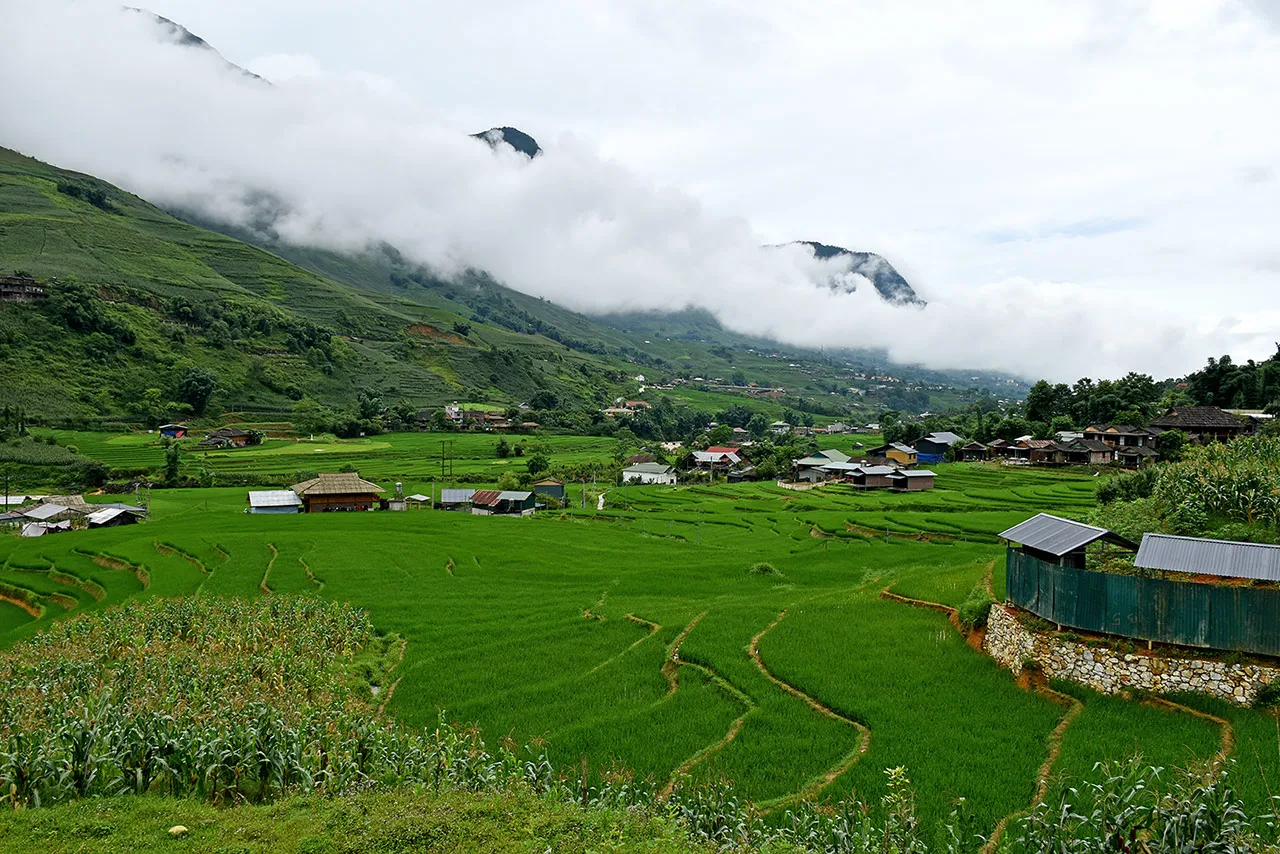
Nestled deep in the Muong Hoa Valley, Ta Van Village is often ranked among the most beautiful villages in Asia thanks to its peaceful atmosphere, stunning terraced rice fields, and authentic ethnic culture. Located just a short distance from Sa Pa town, this hidden gem offers travelers a perfect escape into nature, where life moves slowly and the landscapes change beautifully with every season.
Unlike more crowded destinations, Ta Van Village remains quiet and authentic, making it ideal for travelers who want to experience the real mountain lifestyle of Northern Vietnam.
Where is Ta Van Village?
Ta Van Village is located about 12 km from Sa Pa town in Lao Cai Province. It lies in a lush valley surrounded by terraced rice fields, bamboo forests, streams, and mountains.
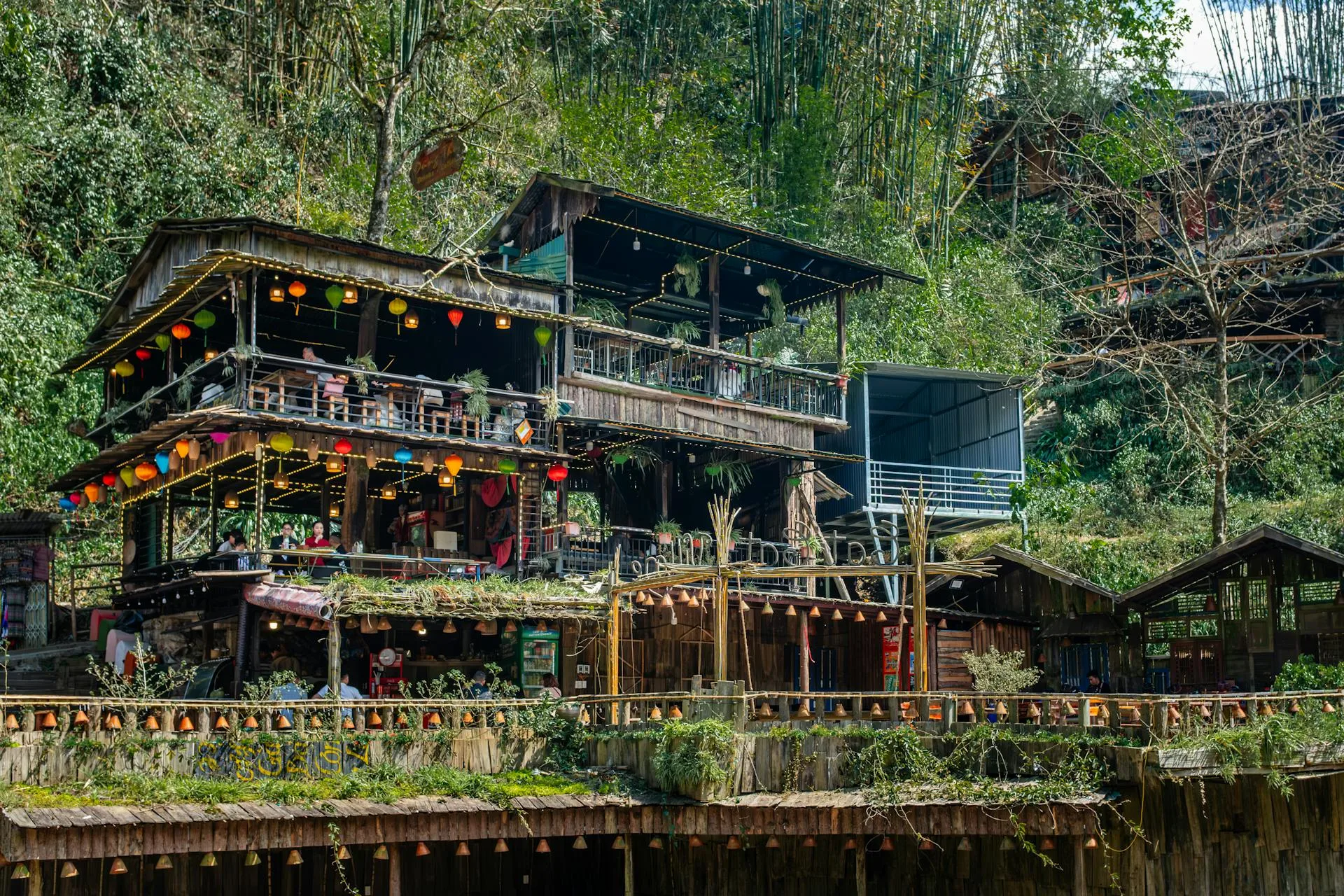
The village is home mainly to the Giay, H’Mong, and Red Dao ethnic groups, who still preserve their traditional way of life. Wooden stilt houses are scattered across the hillsides, blending naturally into the landscape.
From Sa Pa, visitors can easily reach Ta Van by motorbike, taxi, or trekking through scenic routes along the Muong Hoa Valley.
Top things to do in Ta Van Village
1. Walk across the iconic “Cau May” bridge
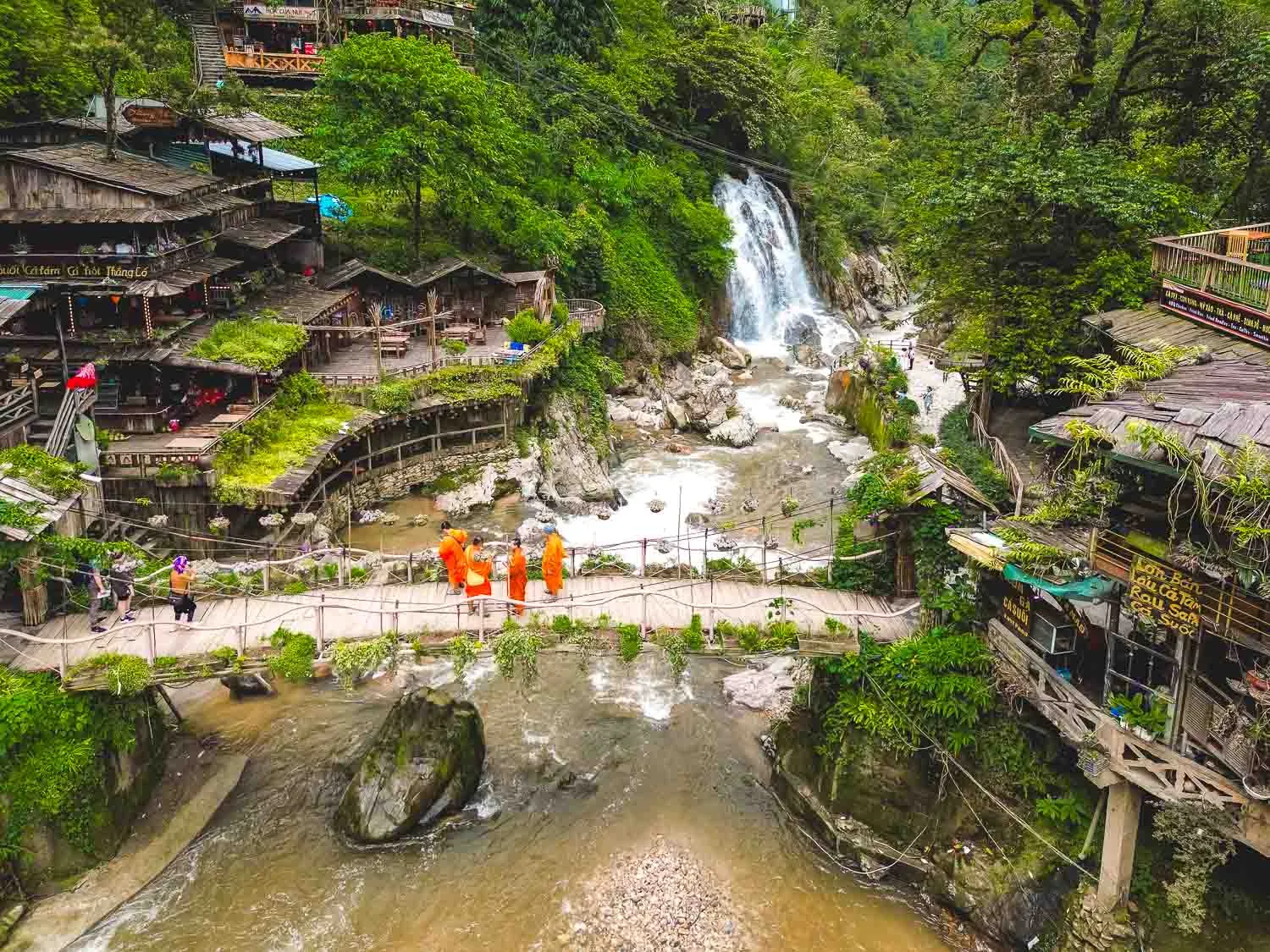
One of the most photogenic spots in the area is the traditional suspension bridge known as “Cau May.” Made of wooden planks and forest vines, it stretches across a gentle stream and offers a perfect check-in location surrounded by nature.
2. Experience authentic local cuisine
A visit to Ta Van Village is not complete without tasting traditional mountain food. One of the most famous dishes is Thang Co, a traditional highland specialty made from horse meat and local herbs.
Slow-cooked with spices such as cardamom, ginger, and cinnamon, this dish reflects the rich culinary culture of the ethnic communities in Sa Pa. It is usually enjoyed with fresh vegetables and spicy dipping sauces, creating a bold and memorable flavor.
3. Trek through terraced rice fields
Trekking is one of the best ways to explore Ta Van Village. The walking trails pass through golden rice terraces, quiet streams, and small ethnic villages.
Each season brings a different landscape:
- Water-filled fields in spring
- Fresh green rice in early summer
- Golden harvest fields in autumn
This makes every trekking journey unique and visually stunning.
4. Discover local daily life
Life in Ta Van Village remains simple and traditional. Locals still farm, weave textiles, and cook using ancestral methods. Visitors can join daily activities, learn about local customs, and enjoy warm hospitality in homestays.
Staying overnight in a local house offers a deeper connection with the culture and rhythm of mountain life.
5. Join cultural festivals and markets
Ta Van Village is also known for its vibrant ethnic traditions. Depending on the season, visitors may witness festivals such as:
- Gau Tao Festival (H’Mong)
- Lunar celebrations of the Giay people
- Cultural gatherings of the Red Dao community
These events showcase traditional music, dance, costumes, and spiritual rituals, giving visitors a deeper understanding of local heritage.
Best time to visit Ta Van Village
The beauty of Ta Van Village changes throughout the year, but the most recommended periods are:
- April – May (Water pouring season): Terraced fields reflect the sky like mirrors
- September – October (Harvest season): Golden rice terraces create breathtaking landscapes
- February – March: Spring blossoms decorate the hillsides
- December – February: Cold winter atmosphere, sometimes with mist and frost
For photography and trekking, autumn (September–October) is considered the most beautiful time.
How to get to Ta Van Village
From Sa Pa town, Ta Van Village is easily accessible:
- By motorbike (best option for flexibility and scenery)
- By taxi or private car (comfortable and convenient)
- By trekking (most immersive experience)
The route passes through Muong Hoa Valley, offering stunning views of rice terraces and mountain streams along the way.
Travelers often stay in Sa Pa town first and then take a day trip or overnight stay in Ta Van Village.
Travel tips for Ta Van Village
To enjoy your trip comfortably, keep these tips in mind:
- Bring warm clothing, as temperatures can change quickly
- Wear trekking or sports shoes for uneven paths
- Book homestays in advance during peak seasons
- Carry cash, as card payment is limited
- Prepare a raincoat if visiting during wet months
- Respect local culture and traditions when visiting villages
There may also be a small entrance fee for the village, usually used to support local community development.
Nearby attractions around Ta Van Village
A trip to Ta Van can easily be combined with other highlights in Sa Pa:
Muong Hoa Valley
A breathtaking valley famous for terraced fields, ethnic villages, and scenic trekking routes.
Lao Chai Village
A neighboring village that shares similar landscapes and cultural traditions with Ta Van.
Sa Pa Ancient Rock Field
An archaeological site with mysterious carved stones dating back thousands of years.
Muong Hoa Stream
A peaceful stream that flows through the valley, perfect for photography and relaxation.
Why visit Ta Van Village?
Ta Van Village offers a rare combination of natural beauty, cultural depth, and peaceful atmosphere. Unlike commercial tourist areas, it preserves authentic village life, allowing visitors to slow down and truly connect with nature and local people.
It is not just a destination—it is an experience of Vietnam’s mountain soul.
Travel Ta Van with ESSENCE TRAVEL COMPANY LIMITED
For a smooth and well-organized journey to Sa Pa and Ta Van Village, you can contact:
ESSENCE TRAVEL COMPANY LIMITED
📞 Hotline: 0963234101
With professional travel services, Essence Travel helps you explore Sa Pa, Muong Hoa Valley, and Ta Van Village in a comfortable, safe, and meaningful way—whether you prefer trekking tours, cultural experiences, or relaxing homestays.
Ta Van Village is where nature, culture, and simplicity come together—making it one of the most unforgettable destinations in Northern Vietnam.